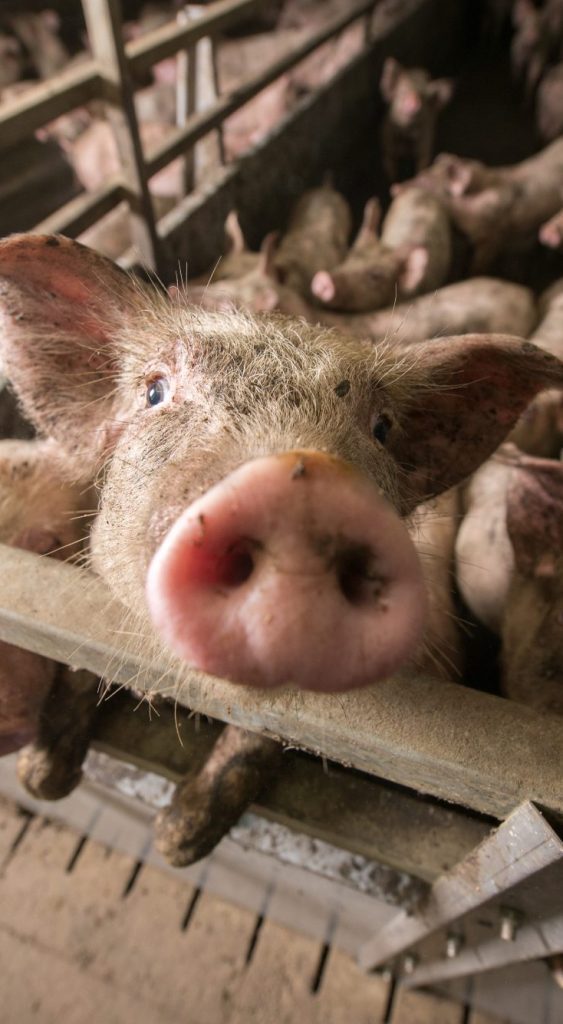
For countless individuals, daily meals once felt routine. Slowly, firsthand observation reveals a more complex reality. Factory-style operations exist out of sight, shaping how animals live and how communities are affected.
Acknowledging industrial farm abuse
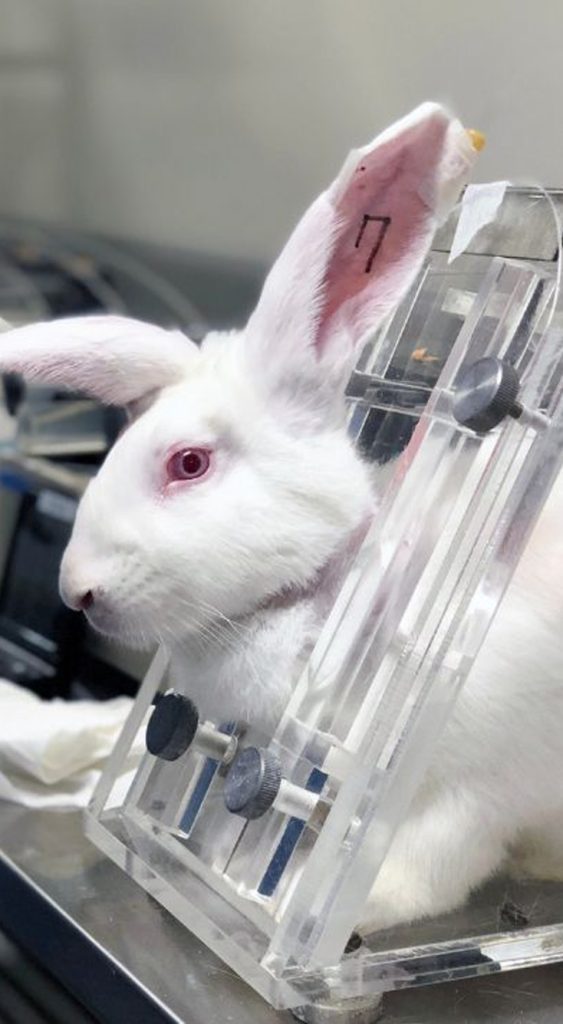
Large-scale farming abuse is rarely a fringe problem. Across many facilities, animals remain restricted to reduce costs. The outcome is physical strain that manifests in health.
Individuals who have spent time inside these environments often describe the overcrowding. These are not accounts told lightly. They come from experience.
How animal protection principles enter the conversation
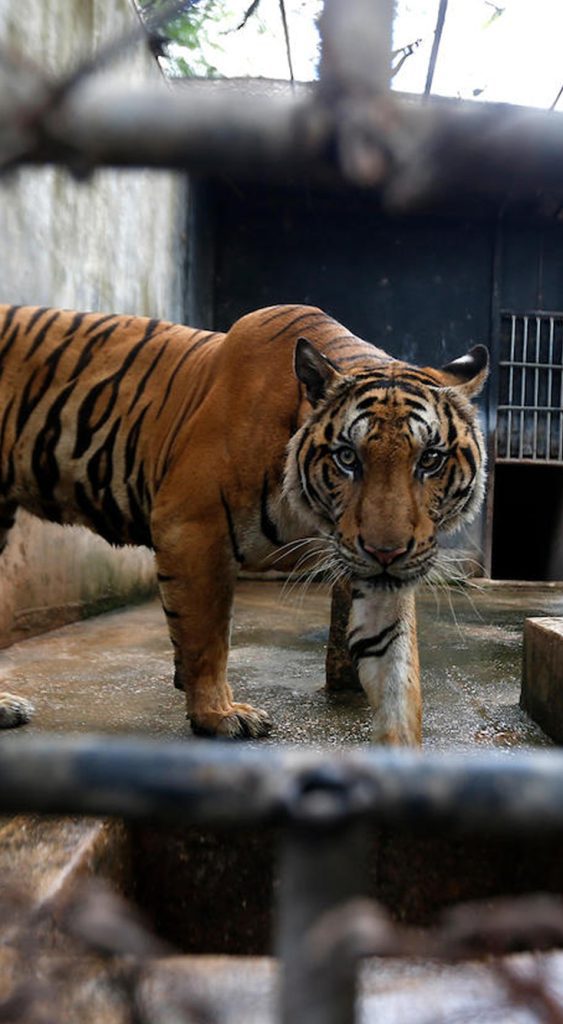
Animal rights for livestock are based in the understanding that sentient beings merit respect. This does not demand absolute purity. It asks for responsibility.
When animals are viewed only as inventory, outcomes often result that favor volume. Moral consideration offers resistance against that mindset.
Practicing cruelty free living
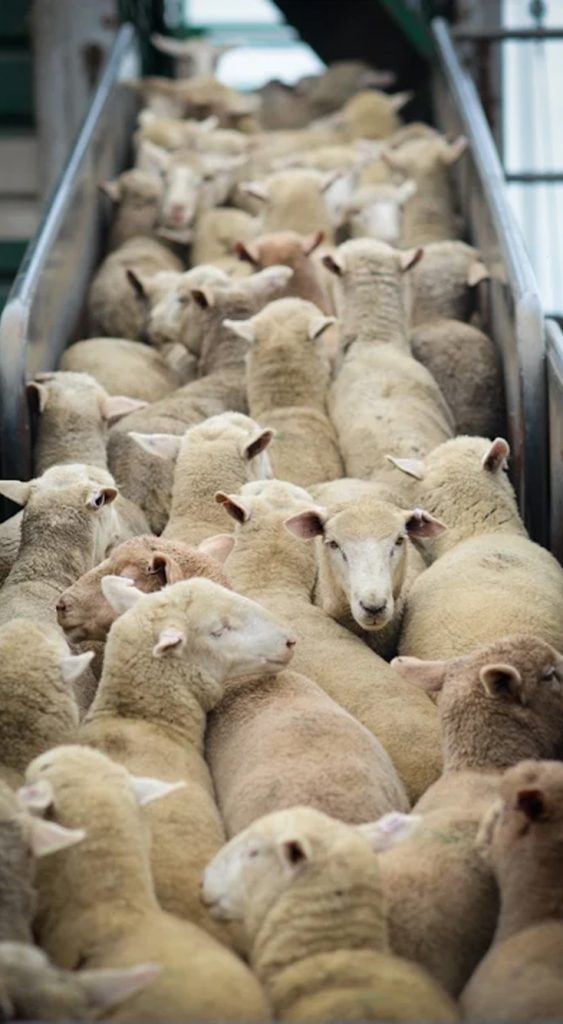
Cruelty free living seldom appears clean on paper. For many households, it starts with small adjustments. Asking questions evolves into a quiet discipline.
Some notice improvements in digestion after reconsidering food choices. Others mention a sense of relief knowing their choices.
The impact of environmental responsibility
Responsible resource use reaches past personal wellness. Food production systems influence biodiversity over generations.
As output increases, waste accumulates. Local populations regularly deal with water contamination. Ecological planning connect these dots.
Understanding plant-centered nutrition
Plant-focused diets varies by person depending on culture. For some, it includes limiting animal products. For some individuals, it becomes a full transition.
Individuals who adopt plant-forward habits often mention adjustment periods. Food awareness grows over time.
Embracing vegan principles
Vegan practice includes more than meals. It affects cosmetics. People who commit regularly note a clearer value system.
That said, it requires effort. Social situations shift. Practice shows how balance forms.
Linking decisions

The systems that produce food are tightly woven. Environmental health move together. Staying informed helps clarify.
Educational platforms provide insight about animals. Exploring resources on animal protection, learning about environmental impact, or understanding pathways toward sustainable living can guide action.
Over time, lasting change develops through intention. Whether commitment builds slowly, each step counts. For readers wanting to learn more, support is available at Cruelty Farm, where concern turns practical.
Leave a Reply